
Dr. Sayem Al Monsur Faizi
Consultant (General Surgery)
About
Dr. Sayem Al Monsur Faizi is a General Surgery Specialist with postgraduate training in Surgery. He completed his MBBS and later obtained FCPS in Surgery. This academic qualification provides advanced preparation in the assessment and management of surgical conditions.
General Surgery includes a wide range of medical problems that may require surgical evaluation. Common examples include hernia, gallbladder disease, abdominal conditions, skin and soft-tissue problems, and certain types of lumps or swelling. A surgical consultation helps determine whether a condition needs an operation or can be managed through other forms of treatment.
The assessment may involve reviewing symptoms, previous medical history, physical examination findings, and relevant reports. Depending on the problem, tests such as blood investigations or imaging may be suggested before a treatment decision is made. For some patients, planned follow-up is also part of surgical care.
Dr. Sayem Al Monsur Faizi is associated with Bangabandhu Sheikh Mujib Medical University in Dhaka, where his chamber is listed. His professional profile is centered on General Surgery, supported by his MBBS and FCPS in Surgery.
Qualifications
Areas of expertise
Hospital
Bangabandhu Sheikh Mujib Medical University,DHK
View hospital & doctors →
Address
Bangabandhu Shiekh Mujib Medical University, Shahbagh, Dhaka – 1000
Dhaka
Book an appointment
Call the hospital
+8809611677777Mention the doctor’s name when you call. BdDoc24 does not book appointments directly.
Location
Dhaka
Profile last updated: September 2026
Related doctors in Dhaka
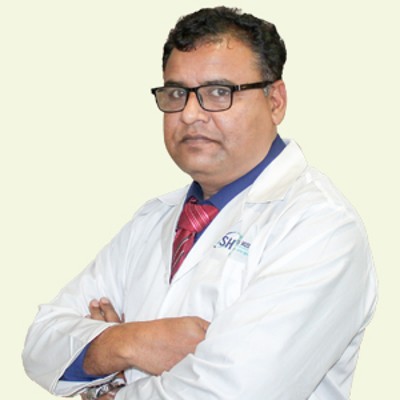
Dr. Md. Shahidul Islam
Consultant (General Surgery & Colorectal Surgery)
Bangladesh Specialized Hospital, Dhaka
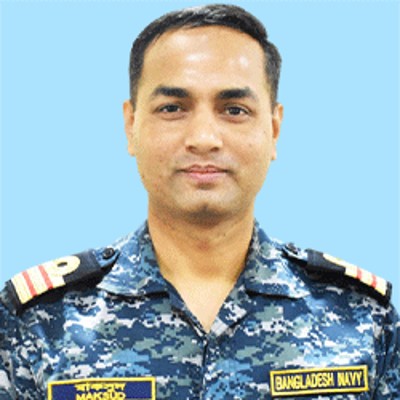
Lt. Col. Dr. Md. Maksud Rahman
Consultant (General Surgery)
Marks Ent Clinic and General Hospital (Pvt.) Ltd, Dhaka
Prof. Dr. Iqbal Masud khan
Professor (General Surgery)
Marks Ent Clinic and General Hospital (Pvt.) Ltd, Dhaka
Professor Dr. Md. Ibrahim Siddique
Professor Of Surgery-BSMMU
The Barakah General Hospital Ltd, Dhaka